 HERO BANNER
Disease impact
Campylobacter ranks among the four leading global causes of diarrheal disease. While relatively harmless in poultry guts, ingestion of as few as 100 bacteria can cause severe human illness including bloody diarrhea, fever, and abdominal pain. Young children in low-resource settings face particularly high morbidity and mortality risks.
Research innovation
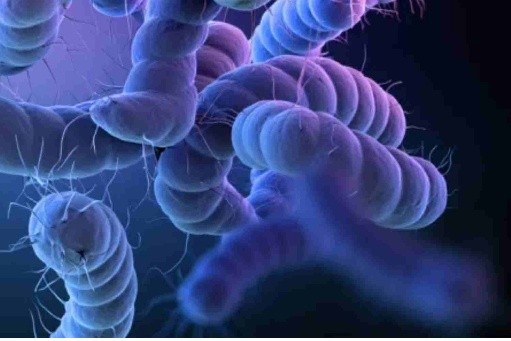
Researchers at the London School of Hygiene & Tropical Medicine are investigating how the foodborne pathogen Campylobacter jejuni employs molecular mechanisms to compete with other bacteria and adapt to various host environments.
The team has identified that disease-associated strains possess a Type VI Secretion System (T6SS) — "a bacterial weapon used to inject toxic 'effector' proteins into rival bacteria." This mechanism provides competitive advantage and supports adaptation within complex gut environments.
Research goals and collaboration
The project will examine how T6SS and its effectors function in poultry and human gut settings, influencing bacterial competition, microbial communities, and infection outcomes.
The research received an £850,000 award from the Biotechnology and Biological Sciences Research Council (BBSRC). Dr. Ozan Gundogdu leads the Enterics Research Team, collaborating with institutions including Queen Mary University of London and Indian Institute of Science Education and Research Kolkata.
Related: Avian Influenza Declines in Europe · Importance of Salt in Poultry Feed · January 2026 Newsletter