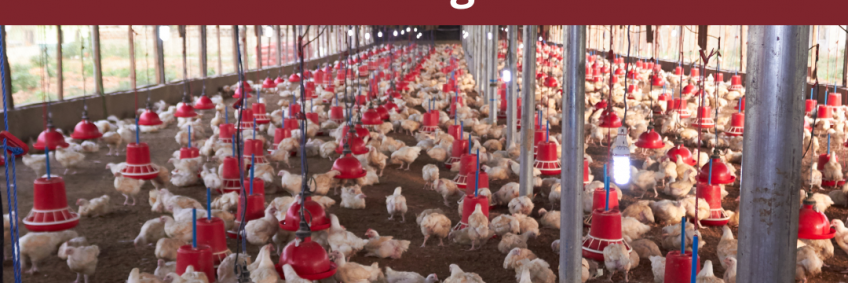
 HERO BANNER
Sustainable Practices in Poultry Farming: A Path Forward
Poultry farming is an essential component of global agriculture, providing a significant source of protein to meet the world's growing demands. However, the industry faces challenges related to environmental sustainability, resource efficiency, and animal welfare. By adopting sustainable practices, poultry farmers can contribute to environmental conservation while ensuring productivity and profitability. This article explores key strategies and innovations driving sustainability in poultry farming.
1. Efficient Resource Management
Efficient use of resources such as water, energy, and feed is fundamental to sustainable poultry farming. Technologies like automated feeding systems and water management tools minimize waste while ensuring that birds receive adequate nutrition and hydration. Renewable energy solutions, such as solar panels, can power poultry houses, significantly reducing carbon footprints.
2. Waste Management and Recycling
Proper waste management practices can turn poultry farming by-products into valuable resources. Manure, for instance, can be processed into organic fertilizers or biogas, reducing environmental pollution and generating additional income for farmers. Recycling bedding materials and reusing treated wastewater further enhance sustainability.
3. Adopting Precision Farming Techniques
Precision farming leverages advanced technologies such as IoT devices, sensors, and data analytics to monitor poultry health, environmental conditions, and farm operations. These tools allow farmers to make informed decisions, optimize resource use, and reduce environmental impact.
4. Promoting Animal Welfare
Sustainable poultry farming goes hand-in-hand with ensuring high standards of animal welfare. Providing adequate space, proper ventilation, and natural lighting improves bird health and productivity. Ethical farming practices also align with consumer preferences, increasing market demand for responsibly produced poultry products.
5. Reducing Antibiotic Use
Over-reliance on antibiotics in poultry farming contributes to antibiotic resistance, a significant global health issue. Sustainable practices include the use of probiotics, herbal supplements, and improved biosecurity measures to reduce the need for antibiotics while maintaining bird health.
6. Integrating Agroforestry
Combining poultry farming with agroforestry practices creates a symbiotic relationship between animals and plants. Free-range systems with tree cover provide shade for birds, enhance biodiversity, and improve soil health. This integrated approach supports environmental sustainability while maintaining farm productivity.
7. Educating and Empowering Farmers
Empowering farmers through training and awareness programs is crucial for adopting sustainable practices. Workshops, knowledge-sharing platforms, and government incentives encourage farmers to embrace eco-friendly innovations and remain competitive in the industry.
8. Consumer Awareness and Demand
Consumer preferences are increasingly shifting towards sustainably produced poultry products. Farmers who adopt transparent and eco-conscious practices can gain a competitive edge, meet market demands, and contribute to global sustainability goals.
Conclusion
Sustainable poultry farming is no longer just an option but a necessity in today's world. By implementing efficient resource management, waste recycling, precision farming, and ethical practices, the poultry industry can significantly reduce its environmental impact while meeting the growing demand for poultry products. Together, farmers, consumers, and policymakers can pave the way for a more sustainable future in poultry farming.
Related: Toward a Greener Tomorrow · Murgi Compost · Suprenviro BSF Waste Management