 HERO BANNER
Overview
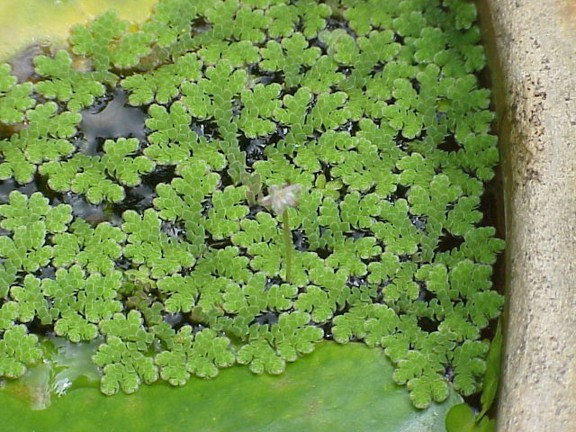
Over the past two to three decades, India's poultry sector has experienced significant growth and represents one of the most profitable livestock ventures. Feed costs constitute 70–75% of total poultry production expenses. Azolla, often called "green gold," is a rapidly-growing aquatic fern that can double its biomass within 3–5 days and contains symbiotic nitrogen-fixing algae. It is eco-friendly and non-competitive with rice cultivation.
Nutritional Value of Azolla
Azolla contains 20–30% protein on a dry weight basis and is rich in lysine, minerals, vitamins, and carotenoids. It is available fresh or dried.
| Parameter | Value |
|---|---|
| Dry Matter | 89.73% |
| Organic Matter | 75.73% |
| Crude Protein | 23.49% |
| Ether Extract | 3.7% |
| Crude Fibre | 14.7% |
| Nitrogen Free Extract | 33.84% |
| Total Ash | 24.26% |
| Acid Insoluble Ash | 7.94% |
| Calcium | 2.58% |
| Phosphorus | 0.26% |
Benefits of Feeding Azolla to Poultry
Research findings indicate multiple benefits:
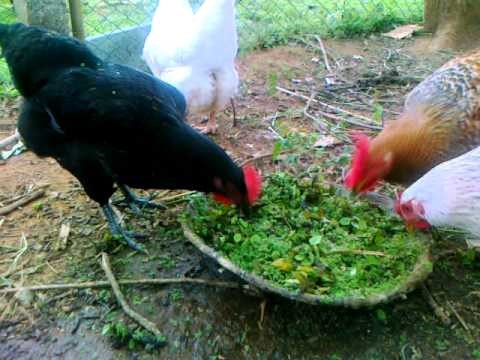
- Azolla meal up to 5% in the broiler ration found to improve performance
- Inclusion of azolla meal up to 10% improved performance of egg type chicks
- Can partially replace soybeans up to 20% of crude protein in duck diets
- Birds that received normal feed with 5% extra supplementation of azolla showed a 10 to 12% increase in total body weight
- Sun-dried azolla up to about 5% levels had no adverse effect on broiler chicken productive performance
- Antioxidants and micronutrients support bird health
- Suitable for backyard farming with minimal inputs
Azolla Cultivation
Azolla grows in pits, tanks, or ponds using cow dung slurry and superphosphate with regular harvesting for continuous supply. Its low-cost cultivation makes it particularly suited for small and marginal poultry farmers looking to reduce feed expenditure while maintaining nutritional quality.
A Green Path Forward
Azolla offers a sustainable, cost-effective alternative rich in protein, amino acids, minerals, vitamins, and antioxidants while being easy to cultivate and environmentally friendly. Its integration into poultry diets represents a significant opportunity for India's growing poultry sector to reduce costs and embrace circular agriculture.